If you’ve been monitoring the South African fuel retail sector, you’ve likely noticed a significant shift. The days of petrol stations being simple “fuel-only” stops are fading. In 2026, the industry is undergoing a “retail revolution” where the forecourt is becoming a destination in its own right.
For investors and prospective owners, understanding this transition is no longer optional—it is the key to sustainable growth.
The Shift: From Fuel Hubs to Retail Destinations
Traditional fuel sales are seeing increased margin pressure, forcing operators to diversify. Data shows that roughly 46% of visitors to a forecourt are “shoppers” who aren’t even there to buy fuel.
-
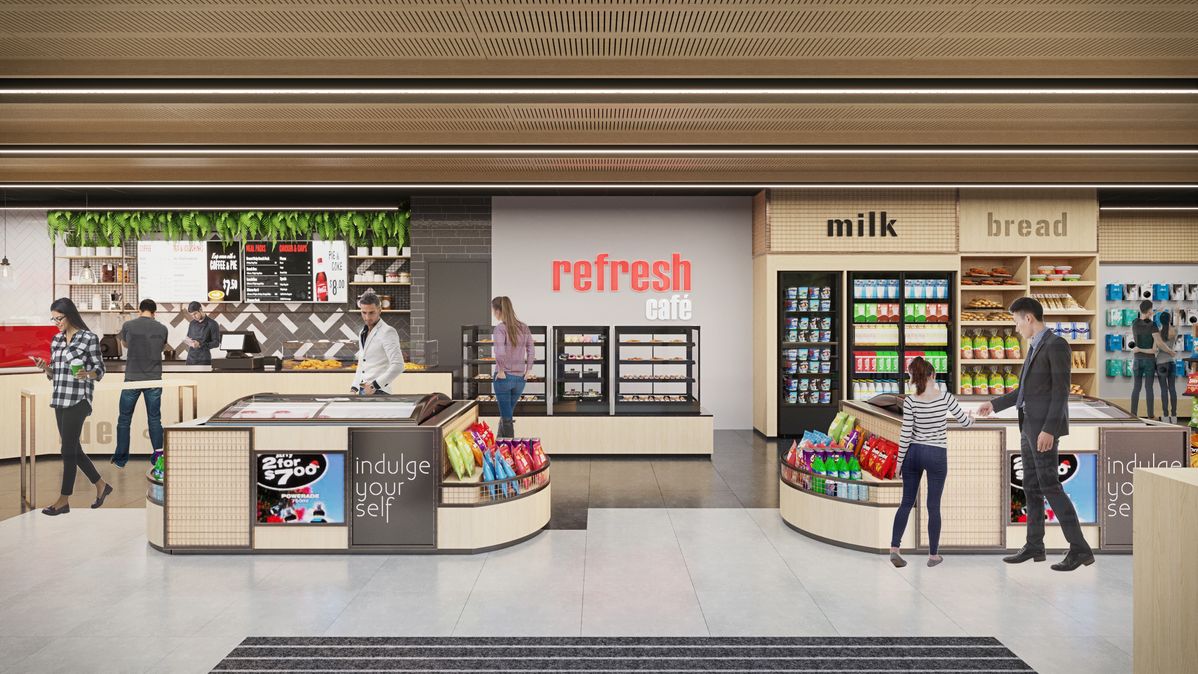
Convenience is King: With over 849 branded retail stores now hosted on forecourts—a 26% increase over the past five years—consumers are increasingly prioritizing supermarket-branded convenience stores for their familiarity and quality.
-
Diversified Revenue: Successful stations are leveraging non-fuel revenue streams like quick-service restaurants, coffee shops, and specialized retail to buffer against fuel price volatility.
-
The EV Transition: While South Africa’s transition toward electric vehicles (EVs) remains gradual, forward-thinking operators are already exploring EV charging infrastructure as a long-term strategy to capture the “dwell time” of future customers.
Expert Advice: What to Consider Before Buying in 2026
Investing in a petrol station is a significant commitment. Before you finalize your purchase, ensure you have a clear picture of the site’s potential.
-
Understand the Agreement Type:
-
CORO (Company Owned, Retail Operated): The oil company owns the property and invests the capital. You need to scrutinize the lease terms—specifically, whether the lease will be renewed and who holds the responsibility for maintenance.
-
RORO (Retail Owned, Retailer Operated): You hold the land rights and capital. While this offers more autonomy, it places the full operational and regulatory burden on you.
-
-
Analyze the “Pumping” Potential:
-
While convenience retail is growing, fuel volume remains a critical indicator of foot traffic. Review the site’s historical monthly literage (ideally over the last 3 years) as a baseline for profit potential.
-
-
Financial Readiness:
-
Most oil companies require a minimum of 20% unencumbered cash contribution. Ensure your funding structure is robust; 100% debt-financing is generally not viable given the thin margins on fuel.
-
-
Regulatory Compliance:
-
You must be prepared for the licensing process. This includes applying for a Retail License from the Department of Mineral Resources and Energy (DMRE), which can take 3 to 4 months.
-
The Bottom Line
Despite the challenges of rising operational costs and load-shedding, the South African fuel retail sector remains a vital contributor to the economy. The most successful operators in 2026 are those who stop viewing themselves as “fuel sellers” and start operating as “local retail hubs.”
Are you ready to take the next step in your fuel retail investment journey?
Whether you are looking for your first site or expanding your portfolio, focus on locations that prioritize convenience and offer high-traffic potential. Contact us today for professional guidance on finding the right site for your investment goals.